On September 4, 2025, we launched the Solana Covered Call Growth Fund at Terramatris. The fund’s objective is to grow our SOL holdings primarily through selling covered calls, with most initial positions entered via cash-secured puts.
Although the fund is still small, over time we accumulated 6 SOL from option premiums. This led me to explore a leverage extension: using earned SOL as collateral to borrow stablecoins, acquire additional SOL, and sell more covered calls to increase income.
After accumulating 6 SOL over the past 5 months, I used them as collateral on Bybit and borrowed 390 USDT. At the time, SOL was trading around $130, so the borrowed amount was sufficient to purchase 3 SOL.
- Borrowed: 390 USDT
- Interest rate: ~4.5% annual
- Annual interest cost: ~$17.55
- Interest for ~35 days: ~$1.67
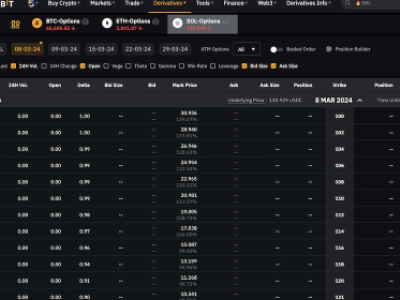
I bought 3 SOL at $128 and immediately sold 3 covered call options with:
- Expiry: February 27, 2026
- Strike: $130
- Premium received: $8.12 per SOL
What happens next?
Scenario 1: SOL ≥ $130 at expiry
The calls are exercised. I sell the 3 SOL at $130, repay the borrowed USDT, and release the collateral.
- Premium: $8.12 × 3 = $24.36
- Price appreciation: ($130 − $128) × 3 = $6.00
- Gross income: ~$30.36
- Interest cost: −$1.67
- Net result: ~$28.70
That’s roughly a 7% return in ~35 days on $390 of borrowed capital.
Scenario 2: SOL < $130 at expiry
The options expire worthless. I retain the SOL and sell another covered call, collecting additional premium while continuing to pay interest on the borrowed USDT.
Key Insight
This structure converts earned SOL into productive collateral, increasing option-selling capacity without injecting new capital. The main risks are:
- Sustained SOL drawdowns (collateral value risk)
- Interest rate changes
- Liquidity and forced liquidation risk under high volatility
Within controlled leverage limits, however, this approach can materially enhance yield on an otherwise conservative covered-call strategy.