Covered calls look simple, and in practice they mostly are: you hold the asset, you sell a call, you collect the premium. Repeat weekly. People like to claim the strategy “works in any market,” but nothing works everywhere without conditions.
You can earn across most market environments, yes, but only if you understand the trade-offs and manage them without illusions.
The structure is basic. Own the underlying — stocks, crypto, doesn’t matter. Sell a call above the current price. You get paid upfront. If price stays below your strike, the premium is yours and you continue holding. If it runs above, your upside is capped and you either get assigned or you roll. That’s the entire engine. What makes it profitable long-term is discipline, not complexity.
Personally, I prefer selling covered calls on both stocks and crypto, but I run them in separate accounts. Traditional equities trades stay on my brokerage side, while all crypto covered calls are executed through the Terramatris crypto hedge fund. Same strategy, just cleaner risk segregation. Stocks give stability, crypto gives volatility — and volatility pays.
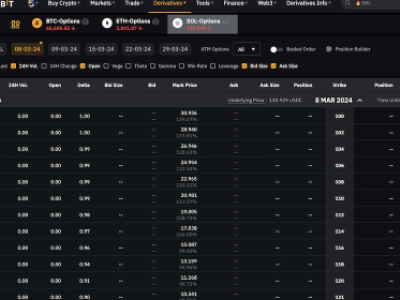
At Terramatris, we use long perpetual futures instead of spot for the underlying. Mechanically it’s the same idea: long asset exposure, short call. Perpetuals just give tighter control over sizing, margin, and adjustments. They also make wheel-style rotations smoother for advanced traders, because you aren’t moving spot in and out every cycle. But the logic doesn’t change: you’re trading long-term upside for immediate, repeatable income.
Is it still possible to earn in “any” market? Mostly yes, but with caveats. Sideways markets are ideal. Slow uptrends are fine. Volatile ranges are usually great. Parabolic rallies cap your upside and force rolls that may cost real money. Sharp drops bury your underlying, and the premium won’t save you. Anyone promising weekly guaranteed income is peddling fantasy.
The negatives matter. Your upside is capped the moment you sell the call. Strong moves can trap you in defensive rolls. Big selloffs crush the underlying faster than you can collect premium. And in crypto, liquidity swings and weekend volatility add extra stress. Covered calls can be boring when things are calm and painful when things aren’t.
The positives are why the strategy never dies. Premiums stack predictably. You create cash flow instead of waiting passively for price appreciation. Volatility becomes an income source. In sideways markets you often beat simple holding by a wide margin. And psychologically, having weekly income reduces the emotional noise that ruins most traders.
Covered calls work. Not as a miracle, not as passive income heaven, but as a disciplined, repeatable framework for extracting value from assets you already own. Whether I’m selling on NVDA in my stock account or on crypto perpetuals inside Terramatris, the underlying idea stays the same: turn volatility into weekly cash flow while keeping risk controlled and expectations realistic.
If you want to follow my actual trades and see how I manage weekly income across both markets, subscribe to my covered calls newsletter.